The seven main Harry Potter books are the simplest part of the wizarding world bibliography — read them in publication order, end of story. But the full Harry Potter library now includes three companion volumes, a play script, and a film franchise's worth of additional material. Here's the complete reading order, plus honest guidance on which extras are worth your tween's time and which ones to skip.
The main 7 — in publication order, which is also chronological
One of the rare series where you don't have to debate reading order. Read them straight through in the order they were published.
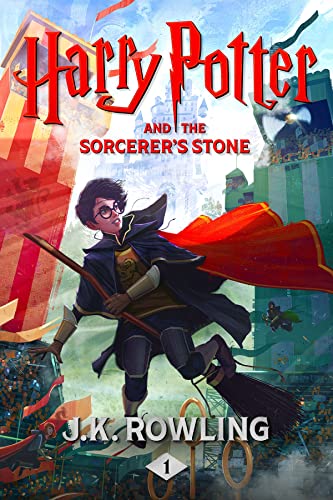


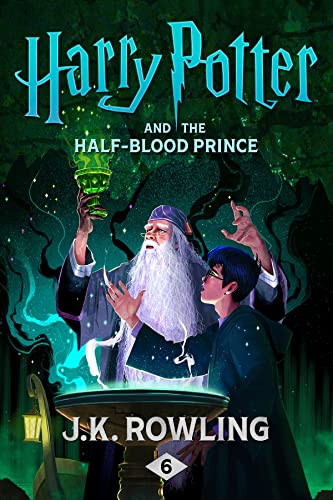

📖 Browse the full Harry Potter series → · 📚 Find the complete Harry Potter series on Amazon →
Age-appropriateness across the series
Worth knowing if you're handing these to a younger tween: the series ages with its readers. Books 1–3 are firmly middle grade — fun, adventurous, scary in a Roald Dahl way. Book 4 (Goblet of Fire) is the transition. Books 5–7 mature into upper middle grade and YA, with on-page deaths, complex moral themes, and increasingly dark content. Deathly Hallows, for instance, includes torture, a body count, and themes of grief and sacrifice that hit harder than anything in books 1–3.
Our take: books 1–3 are great for ages 8–10. Books 4–5 work for most kids 10–12. Books 6–7 land best with 12+. Many tweens push through the series faster than this — they're capable of it — but you may want to read along or check in about content as you go.
The Hogwarts Library companion trio
Three slim companion books Rowling wrote as in-universe references that exist within the Harry Potter world. All proceeds went to charity. Read these after Deathly Hallows — they're more rewarding once you know the canon.
- Fantastic Beasts and Where to Find Them (2001) — the "textbook" Hagrid assigns in book 1, written by fictional magizoologist Newt Scamander. Tween-friendly throughout.
- Quidditch Through the Ages (2001) — a fictional history of the wizarding sport. Light reading, fun for super-fans.
- The Tales of Beedle the Bard (2008) — five wizarding fairy tales, including The Tale of the Three Brothers which is central to the plot of Deathly Hallows.
📖 Browse the Hogwarts Library → · 📚 Find the Hogwarts Library on Amazon →
Harry Potter and the Cursed Child — read with caveats

Harry Potter and the Cursed Child
Many longtime fans don't consider Cursed Child canonical, and it wasn't written by Rowling alone. The format (a script, not a novel) is also harder for younger readers — there's no description or interior monologue, just stage directions and dialogue. If your tween wants more after book 7, this exists. But don't expect the same reading experience.
Fantastic Beasts (films) and the wizarding world beyond
The Fantastic Beasts film series (set decades before Harry's story, with Newt Scamander as protagonist) is movie-only — there's no book adaptation, only the published screenplays. Most tween readers don't reach for screenplays, so we'd skip these unless your tween is specifically interested in seeing how movies are written.
The best illustrated editions
Worth knowing about: artist Jim Kay (and now Neil Packer) created beautifully illustrated editions of each main Harry Potter book. They're significantly more expensive than the standard paperbacks but make wonderful gift editions for super-fans. They also work well for visual learners or kids who want a more immersive re-read.
📚 Find the illustrated editions on Amazon →
Bottom line
The reading order is simple:
- The main 7 in publication order
- The Hogwarts Library trio after book 7
- Cursed Child if your tween wants more (but manage expectations)
Skip the screenplays unless there's specific interest. Don't worry about reading "in-universe chronological order" — there's only one accepted reading order, and that's the order the books came out.
⚡ Browse every J.K. Rowling book in our catalog, or explore all our reading guides.