Graphic novels aren't a step down from "real" books — they're a different way of telling stories, and one that tween readers have embraced more enthusiastically than any prior generation. The best graphic novels for middle grade readers have everything a prose novel does — character development, emotional stakes, complex plotting — plus the visual storytelling that pulls in reluctant readers and visual learners alike. Here are the best graphic novels for tweens ages 8–13.

Smile, Drama, Sisters, Ghosts, Guts by Raina Telgemeier
Telgemeier essentially invented the modern middle grade graphic novel boom with Smile (2010), an autobiographical story about getting braces and the orthodontic adventures that follow. Sisters covers a family road trip, Drama takes on middle school theater, Ghosts follows two sisters dealing with cystic fibrosis and the Day of the Dead, and Guts tackles anxiety and stomach issues. Each one is honest, funny, and beautifully drawn. If your tween hasn't read Telgemeier yet, start with Smile.

Dog Man by Dav Pilkey
A graphic novel hybrid: half cop, half dog, all hero. Goofy, fast, and full of pictures. Pilkey's pacing is calibrated to keep reluctant readers turning pages, and the series has spawned its own movie adaptation. The latest installments still hit bestseller lists immediately on release.
📖 Browse the Dog Man reading order → · 📚 Find Dog Man #1 on Amazon →

Amulet by Kazu Kibuishi
Two siblings discover an old house, a mysterious amulet, and a doorway to a fantasy world where their mother has been taken. Beautiful, cinematic artwork and an epic plot that spans nine books. Easily the most cinematically ambitious middle grade graphic novel series, with worldbuilding that rivals prose epic fantasy.
📖 Browse the Amulet reading order → · 📚 Find The Stonekeeper on Amazon →
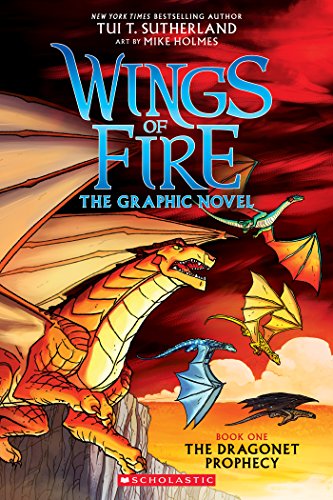
Wings of Fire: The Graphic Novels by Tui T. Sutherland
The graphic novel adaptations of the prose Wings of Fire series are pulling a whole new wave of tween readers into the dragon clans of Pyrrhia. Mike Holmes's art is gorgeous, the dragon characters are distinct and expressive, and the pacing keeps the original books' epic feel intact. Excellent for readers who love the world but want a faster, more visual entry.
📖 Browse the Wings of Fire Graphix series → · 📖 Complete Wings of Fire reading order guide → · 📚 Find the first graphic novel on Amazon →
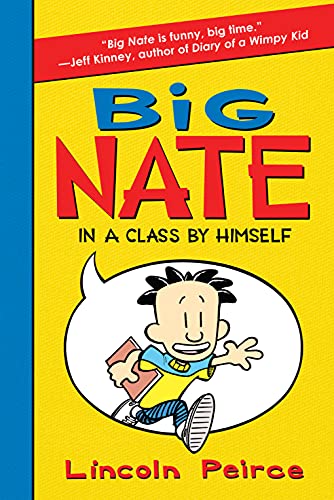
Big Nate by Lincoln Peirce
Cartoon-style format, school-underdog protagonist. Nate's a sixth-grader convinced he's destined for greatness despite all evidence to the contrary — he's a class clown, a comic-strip cartoonist in training, and constantly scheming against his teachers. Similar appeal to Wimpy Kid with stronger creative-kid energy.
📖 Browse the Big Nate reading order → · 📚 Find Big Nate Book 1 on Amazon →

Bone by Jeff Smith
The classic that proved graphic novels could be epic. Three Bone cousins are run out of Boneville and wind up in a vast valley where they're caught up in a fantasy quest involving dragons, a lost princess, and an ancient prophecy. Originally published 1991–2004, then collected in color editions that introduced the series to a whole new generation of tween readers.
📖 Browse the Bone reading order → · 📚 Find Bone Vol. 1 on Amazon →

Roller Girl by Victoria Jamieson
Twelve-year-old Astrid signs up for roller derby camp and discovers she's not naturally good at anything — but really wants to be. A story about determination, friendship shifts, and finding your own people. Newbery Honor winner, which is rare for a graphic novel.

New Kid by Jerry Craft
Jordan is one of the few kids of color at his new private school. New Kid was the first graphic novel ever to win the Newbery Medal (2020). Honest, smart, accessible, and very funny. Followed by Class Act and School Trip.


Berrybrook Middle School by Svetlana Chmakova
Manga-influenced middle school drama. Chmakova's books capture the awkward social geometry of middle school better than almost any prose author working today. The series follows different students through the same school: Awkward (Peppi), Brave (Jensen), Crush (Jorge), and Enemies (Felicity). Each works as a standalone, so kids can jump in anywhere.
📖 Browse the Berrybrook reading order → · 📚 Find Awkward on Amazon →
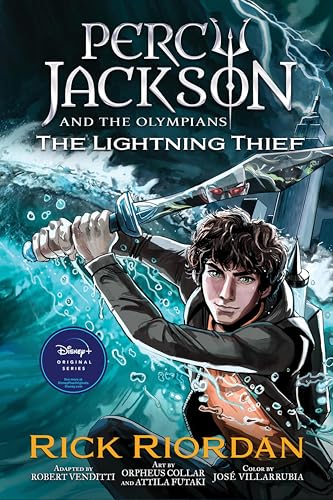
Percy Jackson and the Olympians: The Graphic Novels by Rick Riordan
The original five Percy Jackson books each have a graphic novel adaptation by various artists. They're not replacements for the prose books, but they're great companions — especially for kids who saw the Disney+ show and want a faster entry into the world of demigods and Greek monsters.
📖 Browse the Percy Jackson graphic novels → · 📖 Complete Percy Jackson reading order guide → · 📚 Find the Lightning Thief Graphic Novel on Amazon →
Why graphic novels matter for tween readers
Three things make graphic novels essential for the modern tween reader.
They're accessible. A reluctant reader can finish a graphic novel in one sitting and feel the satisfaction of a completed book. That positive reinforcement is huge — it builds reading identity in kids who otherwise feel like "not a reader."
They teach visual literacy. Reading sequential art trains the brain to integrate text and image, follow visual cues, and infer meaning from gesture and composition. These are real skills that transfer to film, design, and other visual media.
They handle emotional complexity beautifully. Watch how Raina Telgemeier's faces convey anxiety without a word, or how Cece Bell uses panel size to show isolation. Graphic novels can deliver emotional truth in ways prose sometimes can't.
The kids reading graphic novels today aren't reading "less" — they're reading differently, and often more.
🎨 Browse all illustrated and graphic-novel format books in our catalog, or explore all our reading guides.